Introduction
Wound treatment is an essential aspect of medical practice, particularly for clients with chronic problems, surgical procedures, or injuries that call for customized attention. An injury treatment specialist plays an essential role in handling different types of injuries, guaranteeing they heal effectively while reducing difficulties. This post dives deep right into the multifaceted journey of coming to be a wound treatment expert, examining the education and learning and training courses available, including wound care training for nurses and other healthcare professionals.
The Function of the Wound Treatment Specialist: Education And Learning and Educating Paths
An injury care specialist is trained to assess, identify, and treat a variety of injuries. This consists of every little thing from basic wound care training to a lot more complex circumstances including chronic wound care management. Their experience is essential as they develop customized treatment plans based upon private patient needs. However what does it take to come to be an efficient injury treatment specialist?
Understanding Injury Care Management
Before checking out the instructional pathways, it is necessary to comprehend what wound care management requires. It involves a number of key components:
- Assessment: Evaluating the type and extent of wounds. Treatment Preparation: Developing a customized strategy that may include dressings, debridement, or innovative therapies. Patient Education: Mentor clients regarding appropriate injury care techniques. Monitoring Progress: Regular follow-up visits to ensure healing.
This detailed method makes certain that individuals receive optimum care throughout their recuperation process.
Wound Treatment Expert Educating Overview
Becoming a certified injury treatment expert commonly needs both formal education and learning in nursing or an additional health care field and specialized training in wound management. Allow's damage this down:
Educational Background:- Most experts start with a nursing level (ADN or BSN) or relevant medical care qualification.
- Initial training focuses on basic ideas such as infection control, clothing changes, and analysis techniques.
- These training courses delve much deeper into chronic wound care management methods appropriate for intricate cases.
- Various companies offer certifications for those that complete requisite training and exams.
- Continued finding out through workshops and conferences maintains experts updated on the most recent practices.
Wound Treatment Training for Nurses
Nurses constitute the largest sector of medical care professionals entering this area because of their direct individual interaction. Here's exactly how they can seek this field of expertise:
Initial Nursing Education
Typically, aspiring nurses have to initially finish their nursing level-- either a Partner Level in Nursing (ADN) or Bachelor of Science in Nursing (BSN). This foundational education covers vital clinical skills that will be built on during more training.
Specialized Injury Treatment Nurse Training
After acquiring their nursing licenses, nurses can go with:
- Wound Care Accreditation Programs: These are frequently supplied by specialist companies such as: The National Alliance of Wound Care and Ostomy (NAWCO) The American Academy of Wound Administration (AAWM)
These programs commonly require conclusion of particular coursework complied with by passing a qualification exam.
Wound Treatment Training Courses Available
Various organizations supply thorough courses created to equip medical care professionals with the skills needed for effective wound management:
Online vs In-Person Courses
Both online systems like Coursera wound care training for nurses or Medscape and in-person workshops provide flexibility depending upon individual routines and finding out preferences.
|Training course Kind|Pros|Disadvantages|| -------------------|-----------------------|-----------------------|| On the internet|Adaptable organizing|Requires self-control|| In-Person|Hands-on experience|Repaired schedule|
Complex Wound Care Management Skills
As professionals development in their professions, they increasingly run into intricate injuries that require sophisticated abilities. Complex wounds might occur from problems such as diabetic issues or stress abscess; thus understanding these underlying issues comes to be critical.
Chronic Wound Care Management Techniques
Specialists usually utilize various methods consisting of:
- Debridement Negative Stress Injury Treatment (NPWT) Advanced dressing applications
Each strategy offers its purpose, aiming to promote faster healing while minimizing pain or discomfort for patients.

NDIS Injury Treatment Support Services
In Australia, the National Impairment Insurance Plan (NDIS) gives assistance for individuals with disabilities needing help with daily living tasks-- consisting of injury administration services. Recognizing how NDIS integrates with traditional healthcare systems can improve service delivery for both suppliers and people alike.
The Value of Person Education And Learning in Injury Care Management
Patient education and learning is essential for effective results in wound recovery procedures. Professionals must focus on mentor patients concerning:
- Signs of infection Proper dressing changes When to look for medical attention
By empowering clients with expertise, specialists can dramatically boost healing prices while promoting a feeling of independence among them.
Career Opportunities for Injury Care Specialists
With advancements in medical science and a raising emphasis on specialized health care services, profession opportunities are plentiful for qualified experts:
- Hospitals Outpatient clinics Home health agencies Long-term treatment facilities
The varied settings allow specialists to customize their job paths according to individual preferences while likewise influencing person lives positively.
Continuing Education and learning Requirements
To keep qualifications as an injury care professional, continuous education is vital. Lots of licensing bodies require specialists to take part in proceeding education courses on a regular basis-- keeping them abreast of brand-new modern technologies and treatment methodologies.
Challenges Encountered by Injury Care Specialists
While satisfying, seeking a job as a wound treatment expert isn't without difficulties:
Emotional Strain
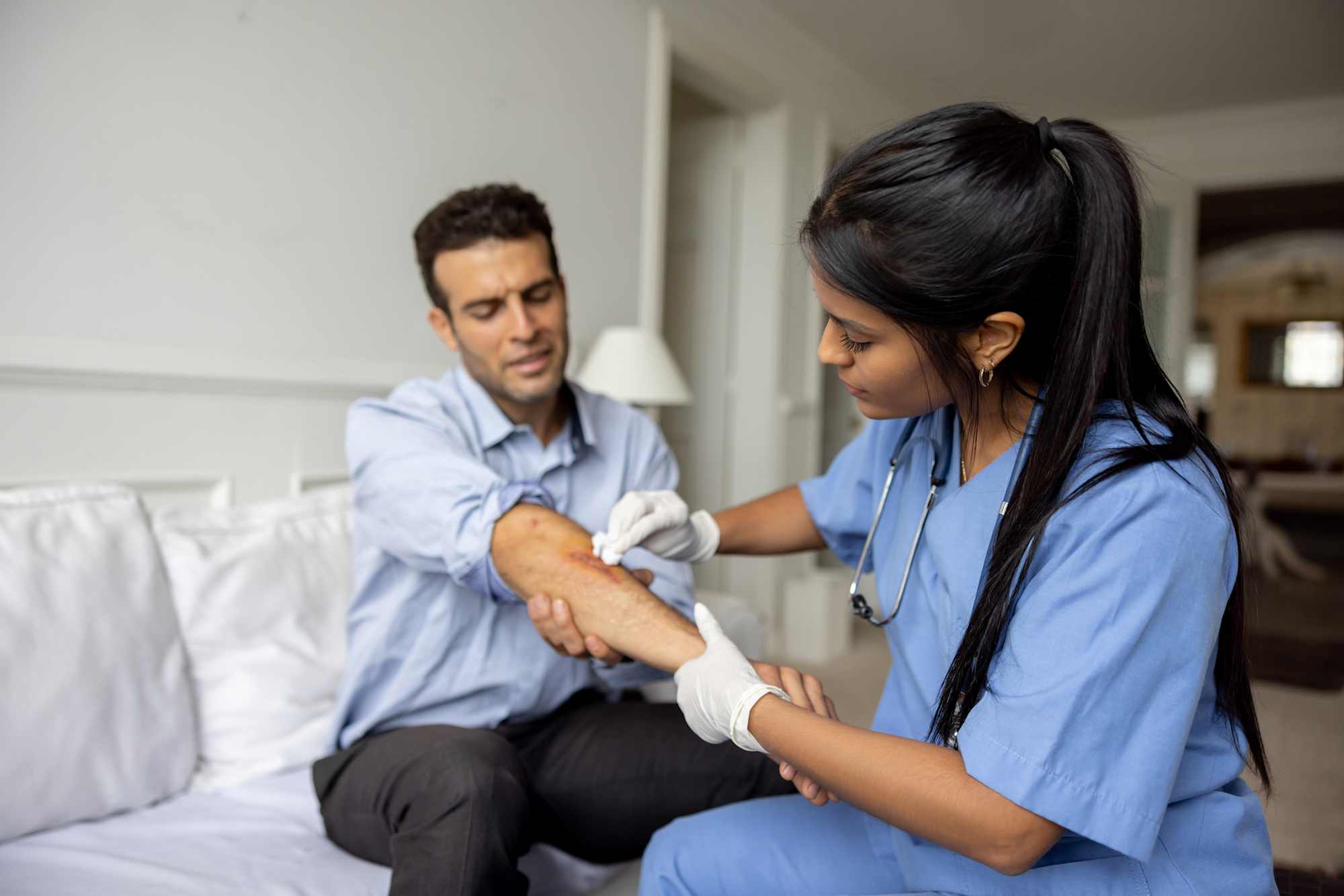
Dealing with chronic wounds can be mentally straining-- people might struggle with discomfort or have actually limited wheelchair which calls for enormous empathy from caregivers.
Staying Updated
As innovation evolves swiftly within healthcare settings, keeping current with new therapies can feel overwhelming sometimes but continues to be necessary nonetheless.
FAQs Concerning Becoming An Injury Care Specialist
Q1: What certifications do I require to end up being an injury treatment specialist?
A1: Normally you need a registered nurse certificate followed by specialized training with accreditation programs focused on injury management.
Q2: How long does it take to come to be certified?
A2: The duration differs based on the program selected but usually ranges from several weeks to months depending on program intensity.
Q3: Can I specialize while working full-time?
A3: Yes! Several courses offer flexible options suiting working experts' timetables with online modules or night classes.
Q4: Exist particular accreditations acknowledged nationally?
A4: Yes! Accreditations from companies like NAWCO or AAWM are widely recognized across different states within America.
Q5: What types of injuries do experts mostly deal with?
A5: Professionals manage chronic wounds like diabetic person ulcers as well as medical websites needing post-operative attention to name a few categories!
Q6: Is there need for qualified specialists?

A6: Definitely! With increasing awareness around reliable therapy methods comes heightened need leading several hospitals seeking knowledgeable practitioners!
Conclusion
In conclusion, starting the trip in the direction of coming to be a proficient wound treatment professional involves dedication via extensive education and hands-on training experiences customized particularly in the direction of improving individual end results throughout various settings-- from healthcare facilities down with home health environments supplying crucial services under NDIS frameworks too! By prioritizing both theoretical understanding together with useful application techniques instructed throughout these informative training courses concentrating on facility circumstances ran into on a regular basis when taking care of persistent pains connected commonly found within contemporary clinical practices today-- it's simple seeing why this field stays ever-growing too!
Whether you're simply beginning your nursing occupation or seeking to specialize further into sophisticated therapy procedures-- there's never ever been a much more exciting time signing up with rankings amongst passionate supporters committed entirely improving lives one plaster at-a-time!